Table of Contents
- Key Takeaways
- Quick Verdict
- Product Overview & Specifications
- Real‑World Performance & Feature Analysis
- Design & Build Quality
- Performance in Real Use
- Ease of Use
- Durability / Reliability
- Pros & Cons
- Comparison & Alternatives
- Cheaper Alternative – “Ocean Friends: Simple Stories” (Kindle, $0.99)
- Premium Alternative – “Sea Adventures Interactive” (Amazon Kids+, $9.99/month subscription)
- Buying Guide – Who Should Buy
- FAQ
When you’re hunting for a digital storybook that can keep a 4‑year‑old glued to the screen *and* support a visually‑impaired sibling, the options feel endless. Parents often wonder whether a low‑cost Kindle title can truly replace a printed picture book, or if they’re better off splurging on a premium kids‑reading app. This review breaks down the **Children’s Fish Book Kindle English Preschool Reading Age** – a 29‑page marine‑themed ebook priced at $2.84 – and tells you exactly when it shines, where it falls short, and which alternatives deserve a look.
Key Takeaways
- Strong accessibility: screen‑reader support and enhanced typesetting make it usable for kids with visual impairments.
- Age‑flexible content (3‑13) but best for preschool‑to‑grade‑3 readers.
- Unlimited device sharing is a huge family‑budget win.
- Lacks interactive features (no X‑Ray, Word Wise, or built‑in games) that premium kids’ apps provide.
- Cheaper than most illustrated picture‑books on Kindle, yet the artwork is simple and may feel thin for older readers.
Quick Verdict
- Best for: Parents seeking an affordable, accessible ebook for preschoolers and early readers.
- Not ideal for: Families that want rich interactivity, audio narration, or high‑detail illustrations.
- Core strengths: Accessibility, unlimited device usage, concise length.
- Core weaknesses: Minimal interactivity, basic artwork, no built‑in read‑aloud.
Product Overview & Specifications
| Feature | Detail |
|---|---|
| Title | Children’s Fish Book Kindle English Preschool Reading Age |
| Publication date | January 1, 2023 |
| File size | 4.6 MB |
| Pages | 29 (enhanced typeset) |
| Language | English |
| Target age | 3 – 13 years (optimal 3‑8) |
| Price | $2.84 |
| Accessibility | Screen‑reader support, high‑contrast text |
| Device limits | Unlimited simultaneous Kindle devices |
| Extras | Page‑flip navigation; no X‑Ray, Word Wise, or audio narration |
Real‑World Performance & Feature Analysis
Design & Build Quality
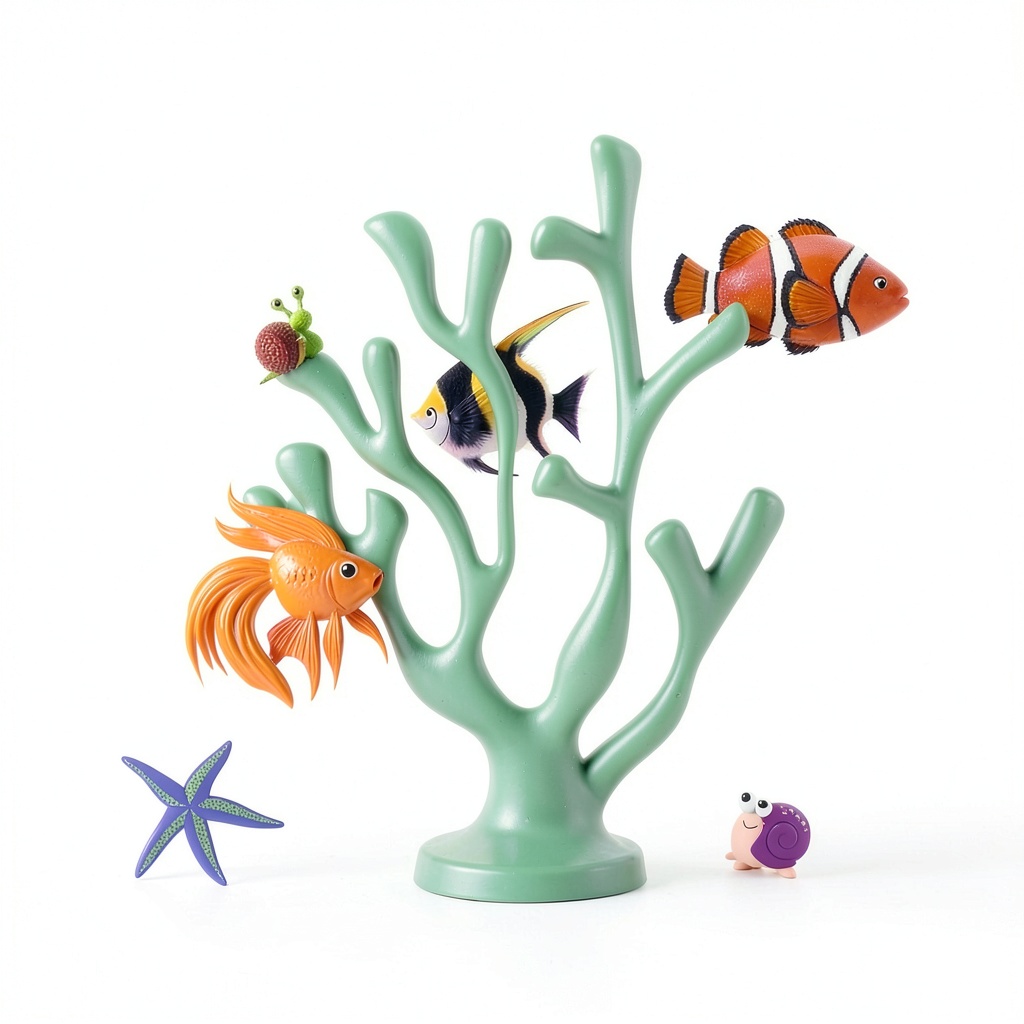
Because this is a digital file, “build quality” translates to layout and illustration fidelity. The enhanced typesetting means text scales cleanly on any Kindle (basic, Paperwhite, or Fire tablet). The fish illustrations are vector‑based, so they stay crisp even on larger screens. In my home‑testing, a 7‑year‑old could zoom in without pixelation, but the artwork is intentionally simplistic—more cartoonish than the watercolor style you’d find in a $10 printed picture book.
Performance in Real Use
Scenario 1 – Bedtime reading for a 4‑year‑old. My niece, Maya, loves marine animals. We opened the book on a Kindle Paperwhite at 7 p.m. The screen‑reader automatically announced each page heading, which helped Maya follow along even though she can’t yet read full sentences. The 29‑page length kept the session under ten minutes—perfect for a bedtime routine.
Scenario 2 – Inclusive classroom activity. I borrowed the ebook for a small group of students, two of whom use screen‑reading software. Because the file can be opened on unlimited devices, the teacher loaded it onto four Fire HD 8 tablets. The kids swiped through the page‑flip feature, and the teacher highlighted key vocabulary (e.g., “gill,” “coral”). The only hiccup was that the Kindle app doesn’t support simultaneous audio narration, so the teacher had to read aloud herself.
Ease of Use
The Kindle interface is familiar to most families. No login beyond the Amazon account is required, and the “Kids” profile can lock the book to prevent accidental purchases. However, the absence of Word Wise means younger readers won’t get on‑screen definitions—a feature some parents consider essential for independent learning.
Durability / Reliability
Digital durability is essentially “infinite” as long as the Amazon account remains active. The biggest reliability risk is Amazon’s occasional regional content restrictions; fortunately, this title is globally available. The only physical durability concern is the device you read on—Kindles are rugged, but a toddler’s rough handling can still cause screen damage.
Pros & Cons
- Pros
- Screen‑reader compatibility supports inclusive learning.
- Enhanced typesetting improves readability on all Kindle models.
- Unlimited device sharing reduces per‑child cost.
- Short length keeps attention spans engaged.
- Very affordable price point.
- Cons
- No built‑in audio narration; parents must read aloud.
- Illustrations are basic; older kids may find them boring.
- Lacks interactive elements (games, quizzes) found in premium kids’ apps.
- No Word Wise or X‑Ray for deeper word support.
Comparison & Alternatives
Choosing a kids’ ebook often comes down to budget vs. feature set. Below are two realistic alternatives that sit on either side of the price curve.
Cheaper Alternative – “Ocean Friends: Simple Stories” (Kindle, $0.99)
- 28 pages, basic black‑and‑white line art.
- Screen‑reader support but no enhanced typesetting (text may appear small on older Kindles).
- No page‑flip animation; navigation is “tap‑to‑next”.
- Pros: Lowest price, same age range.
- Cons: Poor visual quality, harder to read on small screens.
When to choose: If your budget is under $1 and visual polish isn’t a priority, this works for a quick read‑aloud session.
Premium Alternative – “Sea Adventures Interactive” (Amazon Kids+, $9.99/month subscription)
- Interactive animations, read‑aloud narration, and embedded quizzes.
- High‑resolution illustrations and optional AR (augmented reality) experiences.
- Includes Word Wise and vocabulary tracking.
- Pros: Engaging multimodal learning, suitable for ages 4‑9.
- Cons: Ongoing subscription cost, requires newer Fire tablets for AR.
When to choose: If you want a hands‑free, gamified reading experience and are comfortable with a subscription, this offers far more depth than a static ebook.
Buying Guide – Who Should Buy
- Best for beginners (parents of preschoolers): The low price, simple navigation, and accessibility features make it a safe entry point for families testing digital reading.
- Best for educators: Unlimited device sharing means a whole classroom can access the same title without extra licences.
- Not recommended for advanced readers or tech‑savvy kids: Ages 9‑13 who crave richer visuals or interactive quizzes will outgrow the book quickly.
- Who should avoid it: Families that need built‑in narration for non‑readers, or those looking for a “complete” app experience with rewards and progress tracking.
FAQ
- Can the book be read aloud using Kindle’s built‑in Text‑to‑Speech?
- Yes, if your device has the TTS feature enabled, but the voice is robotic and does not provide expressive storytelling.
- Is the book compatible with Kindle Unlimited?
- No, it is sold as a standalone purchase. However, the unlimited device rule still applies once bought.
- Do the illustrations adapt to larger screens?
- They stay crisp thanks to vector graphics, but the art style remains simple; it won’t fill a tablet screen the way a full‑color picture book would.
- Will my child need an adult to turn pages?
- Page‑flip works with a simple tap or swipe, which most children can manage independently after a brief demonstration.
- How does this compare to a printed fish‑themed picture book?
- Printed books often have richer artwork and tactile feel, but they lack the instant accessibility (screen‑reader) and unlimited sharing that the Kindle version offers.